Westow Street rubbish clearance services in Crystal Palace
Posted on 19/06/2026

Westow Street rubbish clearance services in Crystal Palace: a practical local guide
If you live, work, or manage property near Westow Street, rubbish has a way of building up faster than expected. A flat clear-out after a tenancy ends. A heap of builders' rubble after a weekend renovation. Old furniture parked in the hallway because "we'll deal with it later". Truth be told, later often becomes annoying, messy, and a bit stressful.
This guide explains Westow Street rubbish clearance services in Crystal Palace in plain English: what they cover, how they work, what to check before booking, and how to choose a service that is safe, lawful, and actually good value. Along the way, you'll also find practical tips for domestic, commercial, and one-off clearance jobs around one of Crystal Palace's busiest local streets.
- Why it matters
- How rubbish clearance works
- Key benefits and practical advantages
- Who this is for
- Step-by-step guidance
- Expert tips
- Common mistakes to avoid
- Tools, resources and recommendations
- Law, compliance and best practice
- Options and comparison
- Real-world example
- Practical checklist
- Conclusion
- Frequently asked questions
Why Westow Street rubbish clearance services in Crystal Palace Matters
Westow Street sits in a lively part of Crystal Palace, which is part of the charm. There are homes, shops, cafes, rentals, and small businesses all close together. That mix means waste can become visible quickly, and not just the neat, bagged kind. Broken furniture in a front room, trade waste after a refit, a garage that has quietly become a storage cave - it all adds up.
Good rubbish clearance matters here for a few simple reasons. First, space is valuable. In a busy neighbourhood, a clear pavement, staircase, or front yard makes life easier for everyone. Second, disposal needs to be handled properly, because fly-tipping or careless dumping creates obvious problems for neighbours and landlords alike. Third, many people need clearance at short notice, and that is where a local service can save a lot of time.
There is also the human side of it. Clearing rubbish often happens during life transitions: moving out, renovating, dealing with probate, opening a business, or just trying to reclaim a room. You do not want the process to feel like another project on top of the real one. You want it handled cleanly, quickly, and without fuss.
For readers who are also looking at wider Crystal Palace guidance, the site's local guide to living in Crystal Palace and area guide can give useful context on the neighbourhood and its everyday rhythms.
Expert summary: local rubbish clearance is not just about removing waste; it is about reducing disruption, protecting access, and making sure items are collected and processed responsibly. In practice, that usually means a faster, tidier, and safer outcome than trying to tackle a large pile yourself.
How Westow Street rubbish clearance services in Crystal Palace Works
Most rubbish clearance jobs follow a simple pattern, although the details can vary depending on the amount of waste and the access to the property. A straightforward domestic collection might be done in one visit. A larger house clearance or builder's waste job may need more planning. It depends, as ever, on what is actually on site.
A typical service starts with an enquiry. You describe the waste, the location, and any access issues. Photos are often helpful. A good provider will ask practical questions rather than giving a vague, one-size-fits-all answer. For example: Is the waste already bagged? Are there bulky items like wardrobes, mattresses, or appliances? Is parking possible nearby? Is the clearance from a flat, shop, or rear garden?
Once the scope is clear, you receive a quote or estimate. Some jobs can be priced on sight, while others may be quoted from images and descriptions. If the amount of waste changes on arrival, a responsible team should explain any revised price before work continues. That part matters. No one likes surprises when the van doors open.
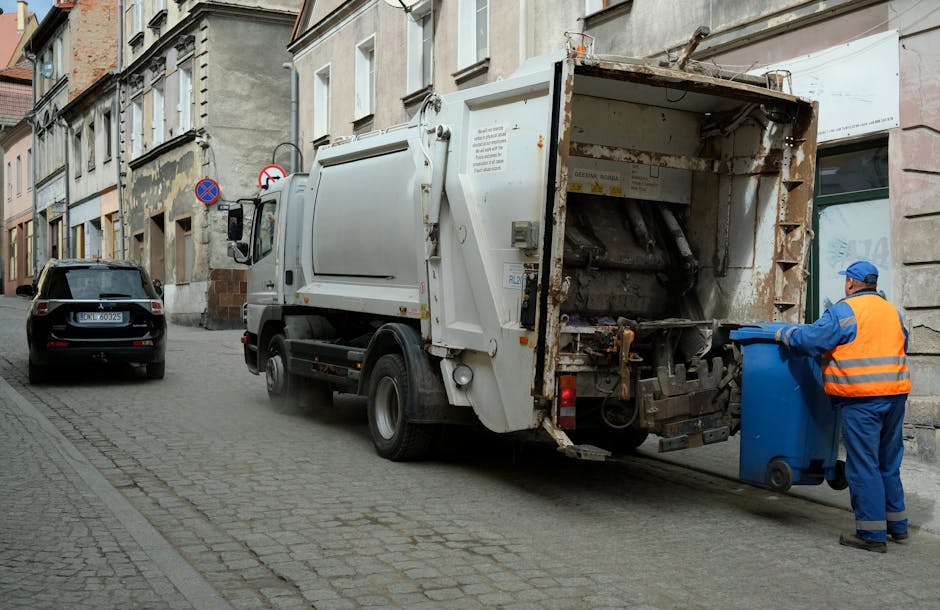
On the day, the crew arrives, checks the load, and clears the items. Depending on the job, they may separate reusable goods, recyclable materials, and general waste. Good practice is to load efficiently, protect the property during removal, and leave the area swept or at least visibly tidier than they found it. It sounds obvious, but that last bit is often where a decent service stands out.
If you want to compare service types before booking, the services overview is a sensible starting point, especially if your job could overlap with domestic waste collection, furniture removal, or builders waste removal.
Key Benefits and Practical Advantages
The most obvious benefit is speed. If you have a tight move-out date or a renovation deadline, fast clearance can stop a small issue becoming a messy one. But the benefits go beyond convenience. A professional rubbish clearance service can improve access, reduce risk of injury, and help you avoid the headache of hiring a vehicle, making multiple trips, and dealing with disposal rules yourself.
There is also a cost-of-time argument. People often underestimate how long a clear-out takes. Loading awkward items, wrapping sharp edges, lifting from upper floors, sorting recyclable waste, and then getting to the right disposal point can swallow a whole day. Sometimes more. And if you are juggling work, family, or tenants, that time disappears quickly.
Another practical advantage is handling awkward items properly. Large sofas, broken white goods, old beds, and mixed rubbish are not fun to move through narrow hallways or down a staircase. Local crews are used to the kind of property access common around Crystal Palace. That familiarity matters, especially on a street where parking and loading can be less than ideal.
Here is a simple comparison of the main options.
| Method | Best for | Main advantage | Potential drawback |
|---|---|---|---|
| DIY disposal | Very small loads | Low direct cost | Time-consuming, physical effort, transport hassle |
| Skip hire | Longer projects with steady waste buildup | Useful for ongoing work | Requires space and usually more planning |
| Professional clearance | Bulky, mixed, urgent, or access-heavy jobs | Fast and hands-off | Price varies with volume and waste type |
If your main concern is sustainability, it may also help to read about recycling and sustainability. Small decisions in sorting and reuse can make a real difference, even on a fairly ordinary clearance job.
Who This Is For and When It Makes Sense
Westow Street rubbish clearance services in Crystal Palace are useful for a lot more people than you might first think. Yes, homeowners use them. But they are just as relevant for landlords, letting agents, shop owners, tradespeople, and even people who are simply trying to reclaim one room after months of "temporary" storage.
Common scenarios include end-of-tenancy clearances, loft and basement clean-outs, shed clearances, office decluttering, furniture disposal, and post-refurbishment waste removal. A small cafe replacing seating, for instance, may need chairs and packaging removed quickly before service starts again. A landlord might need old white goods and leftover items removed before new tenants move in. A homeowner might just want the spare room back. Fair enough, really.
It also makes sense if the waste is awkward, heavy, or mixed. One bag of garden clippings is one thing. A mix of broken shelving, damp cardboard, an old armchair, and renovation offcuts is another matter entirely. If you have been staring at the pile for a week thinking, "I'll do it Saturday," that's usually a sign it is time to book someone.
For business owners, the wider service pages for commercial waste removal and white goods and appliance disposal may be especially useful if you are replacing equipment or clearing stock.
Step-by-Step Guidance
If you want the process to go smoothly, a little preparation helps a lot. You do not need to overdo it. No one expects a military operation. But a few sensible steps will make quoting easier and the clearance faster.
- Identify what needs removing. Walk through the space and make a simple list: furniture, bags, appliances, builder's rubble, garden waste, or mixed clutter.
- Separate anything staying behind. It sounds basic, but this is where mistakes happen. Keep documents, valuables, and anything sentimental out of the pile.
- Take clear photos. Wide shots and close-ups give a provider a far better idea of the job. One blurry picture taken in bad light is not ideal, to be honest.
- Check access and parking. Mention stairs, narrow doorways, rear access, or any loading restrictions. That detail can change the whole job plan.
- Ask what is included. Find out whether loading, labour, sweep-up, disposal, and recycling are included in the quote.
- Confirm timing. If the job is tied to a moving day, tenancy changeover, or contractor schedule, make the deadline clear from the start.
- Review the provider's compliance information. Good operators should be open about licensing, insurance, and waste handling standards.
- Keep the site easy to work in. If you can move smaller items away from the main load, do it. It saves time. Sometimes a lot of time.
A small but useful habit: keep a quick note of any fragile floorboards, tight corners, or shared hallways. These are the details that help crews move efficiently without nicking walls or causing avoidable friction with neighbours.
Expert Tips for Better Results
In our experience, the best clearance jobs are the ones that are clear before anyone arrives. Not perfect. Clear. That means the provider knows what they are collecting, you know the price structure, and the access is explained properly. Everything else tends to follow from that.
Here are a few practical tips that save stress:
- Group waste by type if you can. Mixed loads are fine, but separating obvious recyclables or reusable items can help the job move more cleanly.
- Ask about restricted items early. Some items need special handling. If you are unsure, mention them before booking rather than hoping for the best.
- Book slightly ahead if possible. Same-day service can be useful, but if you are dealing with a move or refurbishment, an extra day's buffer is priceless.
- Make sure payment terms are understood. It's an unglamorous detail, but it avoids disputes later. The site's payment and security information is worth checking before you commit.
- Look for clear pricing language. If a quote feels vague, ask what could change it. A transparent provider will explain that calmly.
One more thing. If the job involves a household clear-out, it is often worth deciding in advance whether you are keeping, donating, selling, or disposing of items. Those categories sound tidy on paper. In real life, they can blur together very quickly.
Common Mistakes to Avoid
Most clearance problems come from rushing, guessing, or assuming too much. It happens all the time. Someone books a vehicle without checking whether the sofa will fit through the hall. Someone else forgets that the pile includes plasterboard and old tiles, not just bags of rubbish. Small omissions become big delays.
Here are the mistakes that tend to cause trouble:
- Underestimating the volume. Waste takes up more space than people expect, especially when it is bulky or irregular.
- Not explaining access issues. A ground-floor flat is very different from a top-floor conversion with narrow stairs.
- Leaving prohibited or hazardous items hidden in the load. If there is anything unusual, mention it early.
- Choosing on price alone. Cheapest is not always best, especially if disposal standards or insurance are unclear.
- Assuming everything will be recycled. Good operators aim to recycle where possible, but not every item can be reused or recovered.
- Forgetting to check the provider's credentials. Waste should only be handled by properly authorised operators.
If you are trying to clear a property before sale or rental, timing mistakes can be especially costly. A delayed clearance can affect viewings, contractor access, or the overall presentation of a room. That is where local planning pays off.
Tools, Resources and Recommendations
You do not need a lot of equipment for a simple clearance, but the right basics can make a job easier and safer. Heavy-duty bags, gloves, tape, a marker pen, and a phone camera are usually enough for the preparation stage. If you are sorting items before collection, stack them in a way that keeps walkways open and avoids tipping hazards.
For more complex jobs, a few practical resources are worth keeping in mind:
- A simple room-by-room inventory. Helpful for house clearances and tenancy changeovers.
- Photo notes on your phone. Good for quote accuracy and for remembering what was agreed.
- A keep/donate/dispose list. Useful when emotions are involved, as they often are with family items.
- Service information pages. The site's house clearance and garden waste removal pages can help you narrow down the right type of service.
- Business or renovation planning notes. Handy if the waste forms part of a bigger project, such as a refurbishment or shop fit-out.
There is also value in reading a little around the wider area. The articles on property market insights in Crystal Palace and real estate investment in Crystal Palace are useful if your clearance is tied to a sale, letting, or renovation strategy.
Law, Compliance, Standards, or Best Practice
Waste clearance is one of those jobs where compliance should never be an afterthought. In the UK, waste must be handled by people who are authorised to carry it, and it should be transferred and processed responsibly. You do not need to become an expert in waste law just to book a clearance, but you should expect the provider to be able to explain their basics clearly.
A trustworthy operator should be open about licensing, insurance, and how waste is managed after collection. That includes how recyclable materials are separated, whether reusable items are diverted where appropriate, and how documentation is handled. If a company is vague about these points, that is not a great sign. Let's face it, paperwork is not exciting, but it is a decent clue about professionalism.
It is also sensible to ask about safety practices. Heavy lifting, sharp edges, broken glass, and awkward access can all create risk. Good teams work carefully, protect the property, and know when additional care is needed. For more detail, see the site's pages on waste carrier licence and compliance and insurance and safety.
If you are comparing service providers, also check whether their policies and terms are easy to understand. The pages on terms and conditions, privacy policy, and about us can help you judge how transparent the business is before you book.
Options, Methods, or Comparison Table
Different rubbish clearance jobs call for different methods. A one-bedroom flat with a few bulky items is not the same as a shop refit with packaging, shelving, and broken fixtures. Choosing the right method saves money and reduces disruption.
| Job type | Best method | Why it fits |
|---|---|---|
| Single bulky item | Small clearance collection | Quick removal without paying for unused capacity |
| Multiple furniture items | Furniture removal service | Efficient for sofas, tables, wardrobes, and beds |
| Post-renovation waste | Builders waste removal | Better for rubble, timber, plaster, and mixed site waste |
| Full property emptying | House clearance | Useful when the whole space needs to be cleared systematically |
| Seasonal outdoor waste | Garden waste removal | Ideal for green waste, branches, soil, and hedge cuttings |
If you are unsure which route is best, a good provider should talk you through the options rather than pushing the biggest service by default. That kind of honest guidance is worth a lot.
Case Study or Real-World Example
Picture a small flat above a shop near Westow Street. The tenant has moved out, the landlord needs the property turned around quickly, and the flat still contains a bed frame, two chairs, a broken washing machine, cardboard, and a pile of old kitchen bits. Nothing wildly dramatic. Just enough to delay the next step.
Instead of trying to manage that with repeated car trips and a borrowed van, the landlord books a local clearance service. Photos are shared beforehand, access is explained, and the collection is scheduled for a morning slot. The crew arrives, checks the load, protects the hallway while moving the larger pieces, and clears the space in one visit. The property is left ready for cleaning and light maintenance.
What worked well here was not magic. It was preparation, accuracy, and a service that understood local access. The job did not become a story. That's the point, really. When rubbish clearance is done properly, it disappears into the background and lets the real work continue.
Another example: a cafe refurbishing part of its seating area during a quieter weekday. Old chairs, packaging, and a few fixtures need to go. A timed collection minimises downtime, keeps the pavement clear, and avoids the awkward "where do we put this for now?" problem that tends to happen during fit-outs. Small details, big relief.
Practical Checklist
Use this checklist before booking your clearance. It will save you a few headaches.
- Have you listed everything that needs removing?
- Have you separated valuables, documents, and items you want to keep?
- Have you taken clear photos of the waste?
- Have you checked access, parking, stairs, and any loading restrictions?
- Have you identified any bulky, fragile, or unusual items?
- Have you asked what the quote includes?
- Have you confirmed timing and any deadline you are working to?
- Have you reviewed the provider's compliance, insurance, and safety information?
- Have you thought about what can be recycled or reused?
- Have you checked the cancellation or change policy in case plans shift?
That is the kind of list that sounds boring until you need it. Then it becomes oddly comforting.
Get a free quote today and see how much you can save.
Conclusion
Westow Street rubbish clearance services in Crystal Palace are at their best when they feel local, reliable, and straightforward. Whether you are clearing a flat, a shop, a rental, or a property mid-refurbishment, the right service should reduce pressure rather than add to it. That means clear communication, sensible pricing, proper compliance, and a tidy finish.
If you take anything from this guide, let it be this: prepare a little, ask the right questions, and choose a provider that treats your time and property with respect. Do that, and the whole process becomes much calmer. A lot calmer.
And once the clutter is gone, there is usually a surprising feeling of space again - the sort that makes a room feel lighter, quieter, more useful. Which is, honestly, a lovely thing.